The Historic Core is the architectural heart of old Los Angeles. Centered around Spring Street and Broadway—once known as the "Wall Street of the West"—this neighborhood contains one of the largest concentrations of intact 1920s and 1930s commercial architecture in the country. For real estate buyers, the Historic Core offers a truly unique urban experience: the opportunity to live inside ornate, adaptive-reuse landmarks that carry the most significant financial tax benefits in the city.
The Real Estate: Art Deco & Beaux-Arts Elegance
Unlike the raw, heavy timber warehouses of the Arts District or the glass high-rises of South Park, the Historic Core is defined by elegant, Gilded Age craftsmanship.
The Aesthetic: Buyers here are drawn to sweeping marble lobbies, intricate terra-cotta facades, hand-painted ceilings, and original double-hung mahogany windows.
Architectural Valuation: Standard automated pricing fails in the Historic Core. We price and market these units based on their architectural pedigree. A loft with original 1911 zinc-covered doors and exposed brick will command a drastically different price per square foot than a modernized unit without historic textures.
The Ultimate Financial Advantage: The Mills Act The Historic Core has the highest density of Mills Act-approved buildings in Downtown Los Angeles.
The Benefit: The Mills Act is a state-sponsored program that grants massive property tax reductions (often between 40% and 60%) to owners who purchase and preserve historic landmarks.
The Buying Power: We explicitly market these monthly tax savings. For buyers dealing with 2026 interest rates, saving thousands of dollars a year on property taxes effectively increases purchasing power, making a luxury loft in the Historic Core much more attainable than a similarly priced modern condo.
Iconic Historic Core Loft Buildings Standard neighborhood comparable sales ("comps") require a specialist's eye, as the history of the building dictates the premium. We specialize in the district's most legendary conversions:
Eastern Columbia Building (849 S Broadway): The turquoise Art Deco crown jewel of DTLA, designed by Claud Beelman. Famous for its neon clock tower, Kelly Wearstler-designed interiors, and luxury rooftop pool.
Rowan Lofts (460 S Spring St): A 1911 Beaux-Arts masterpiece featuring original mahogany window frames, exposed brick, and massive natural light directly over Spring Street Park.
Higgins Building (108 W 2nd St): Classic 1910 architecture featuring mosaic tile flooring, zinc-covered doors, and iron-caged elevators.
Douglas Lofts (257 S Spring St): An 1898 relic featuring rare, gently curved corner windows and authentic New York-style brick interiors.
The Neighborhood Vibe: Broadway Marquees & Urban Energy
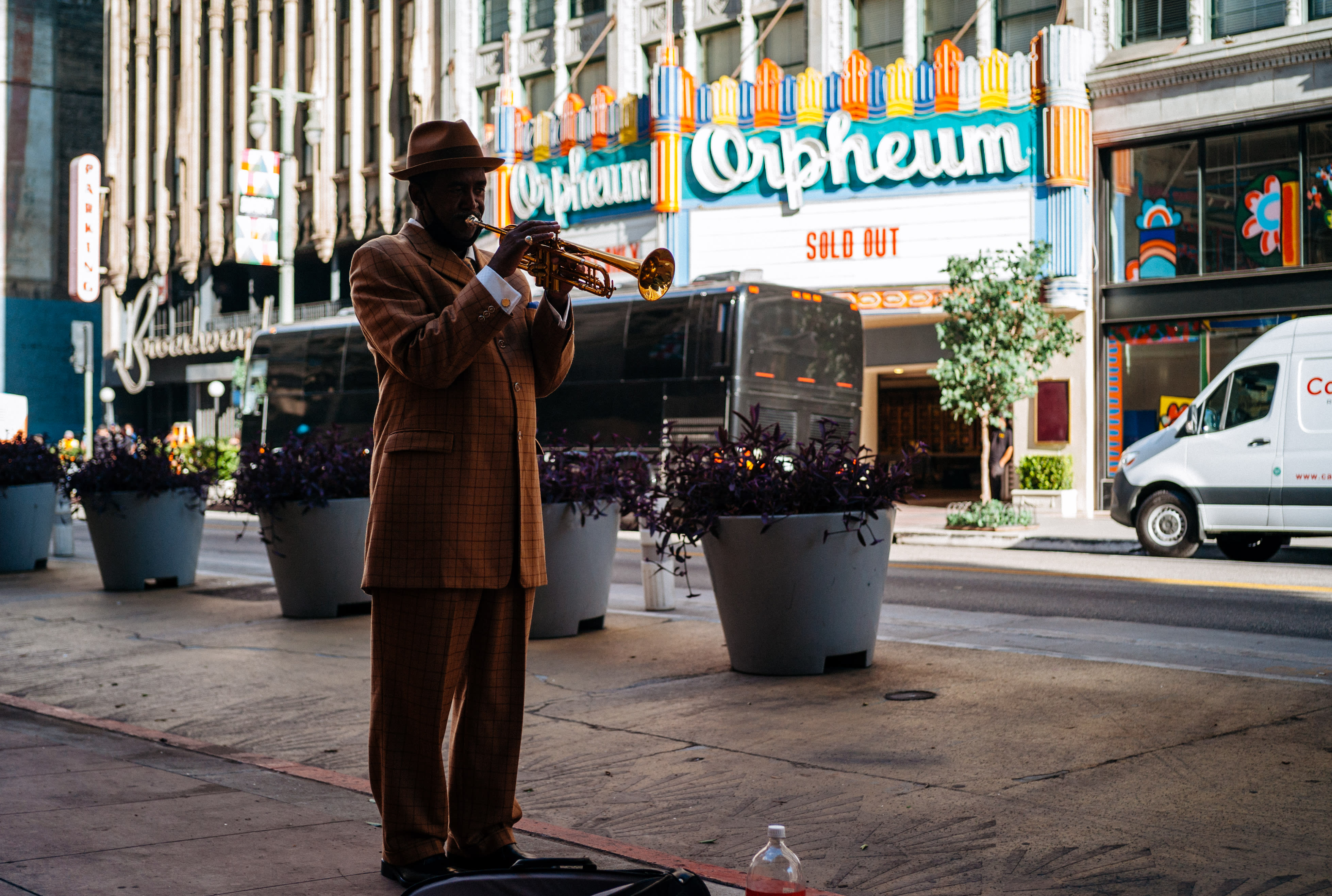
The Historic Core is arguably the most vibrant, bustling neighborhood in Downtown Los Angeles. As an urban photographer, I spend countless hours documenting this district. The visual soul of the Historic Core is unmatched—from the neon glow of the historic Broadway theater marquees to the intricate stone carvings of the Old Bank District.
Living here means embracing true city energy. Residents are steps away from the legendary food stalls of Grand Central Market, the literary labyrinth of The Last Bookstore, and critically acclaimed dining spots like Le Petit Paris and Bāco Mercat.
Frequently Asked Questions About the Historic Core
Q: Is the Historic Core noisy? A: Yes, the Historic Core is the center of DTLA's nightlife and dining scene, so it carries authentic "big city" noise. Buyers seeking a quieter, more manicured environment may prefer South Park, while those who want to step out of their lobby directly into the action thrive in the Historic Core.
Q: Do all buildings in the Historic Core have parking? A: No. Because these buildings were constructed before the mass adoption of the automobile (often between 1890 and 1930), many do not have deeded subterranean parking. Residents often lease parking spaces in adjacent city or private lots, which we factor into the overall cost of ownership during the buying process.
Q: Are lofts in the Historic Core considered live/work? A: While the Arts District is the primary hub for live/work zoning, several buildings in the Historic Core do allow for creative live/work use. It is crucial to verify the specific HOA documents and city zoning for each individual building before running a business from your loft.